What the debate is really about
Coverage of Sweden’s recent direction often emphasises a return to paper textbooks, handwriting, and a more careful use of devices in early years, alongside wider worries about concentration and depth of reading. The BBC’s reporting is a useful entry point: it describes a deliberate tilt back toward books and pens, not a claim that every screen is evil.
That is not the same thing as "maths practice should disappear," and it is not the same thing as "centres should never see a student's written work again." Different countries will land in different places on homework volume. The through-line in serious policy discussion is usually recalibration: use technology where it clearly helps tutors and managers, protect foundational skills first, and cut the distractions that turn learning into passive scrolling.
What we agree with
We are sympathetic to the paper-first impulse for early arithmetic and written work. Children still need fluent pencil-and-paper habits, space to show thinking, and time off screens. If national policy moves money toward printed materials and calmer classrooms, that is compatible with how RedMarker is designed.
We are also wary of edtech that tries to replace the tutor, the workbook, or the centre's professional judgement. Tools should reduce drudgery, not add another compulsory layer of student-facing screen time for every worksheet.
RedMarker is for checking work that already happened on paper, not for moving the lesson itself onto a tablet.
How RedMarker is positioned
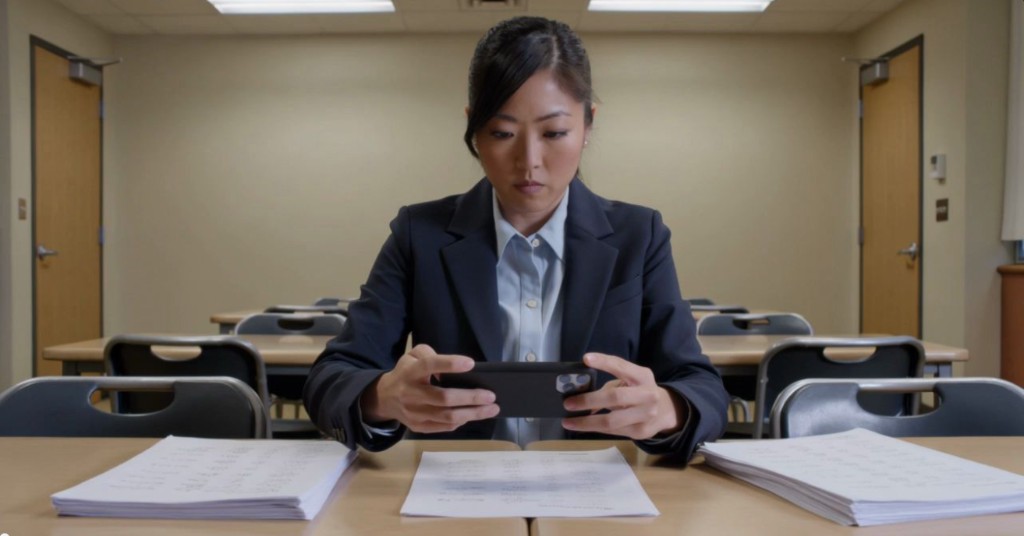
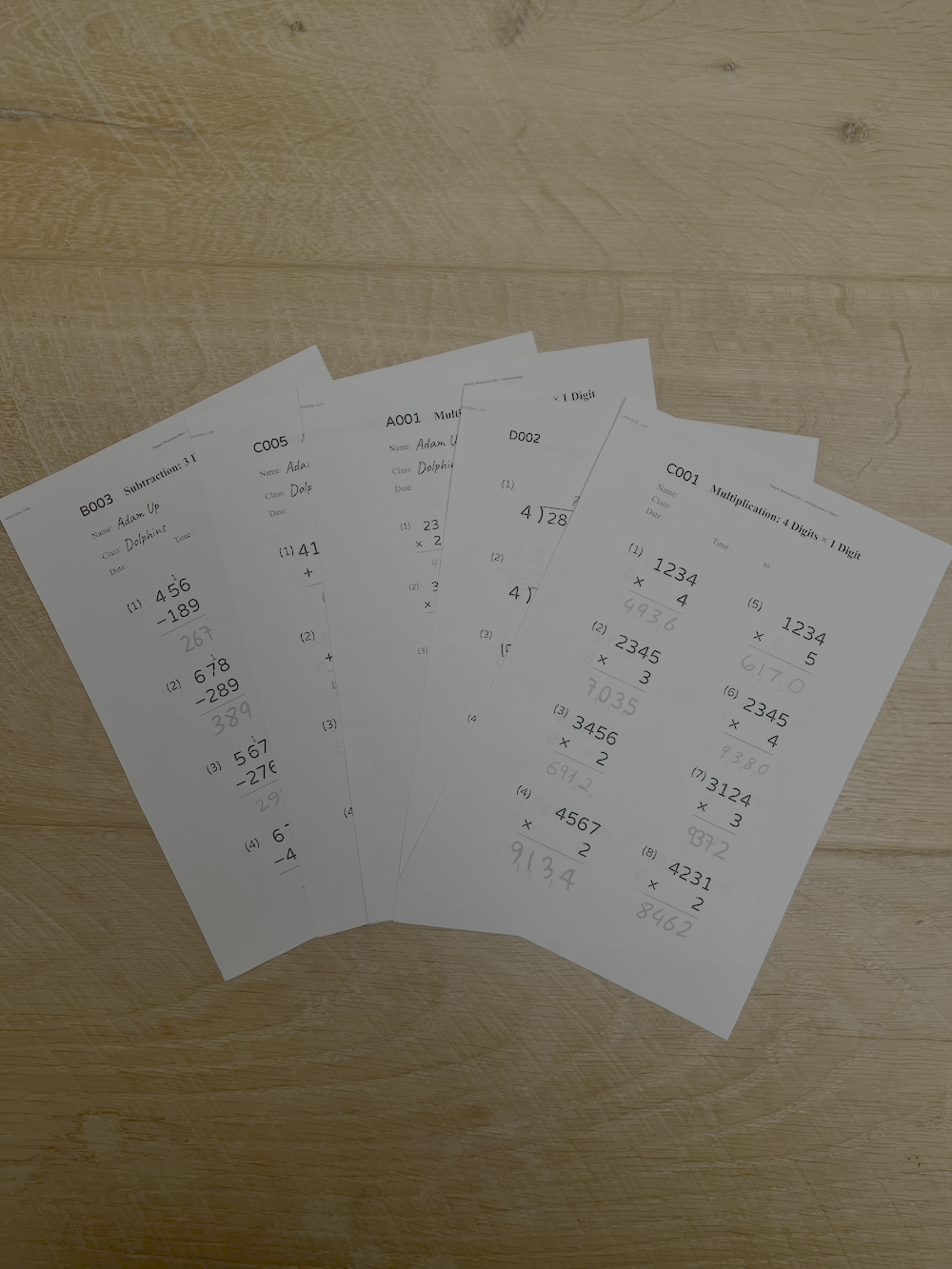
RedMarker sits after the student finishes written drill practice: a photo of a real page, quick discrepancy checking, and support for both compact arithmetic and worded problems (so "unknown" answers are far less common when the question is plain language). Tutors and centre managers keep the session; the app does not grade the student's character, only their written responses.
So if you read a thread about Sweden (or anywhere else) and feel caught between "bring back books" and "we still need to mark forty drill sheets before the next group arrives," those are not opposites. Analogue practice plus fast, fair feedback is the combination we are building toward. Whether your centre runs Kumon-style daily drills, weekly booklets, or session worksheets, whatever remains on paper should still be possible to review without a red pen and a timer.
If you run a tutoring centre or maths programme and want to see how paper-first drills work with fast marking at scale, we would like to hear from you.
Paper drills, marked in seconds
See how redmarker fits a centre workflow built on written practice — not student screen time.